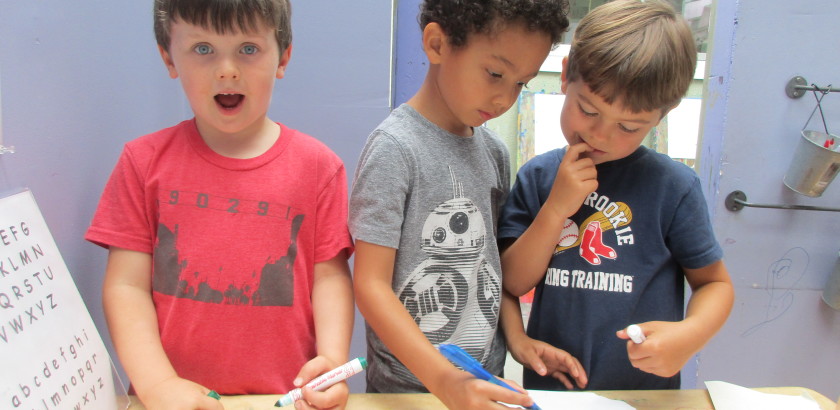
I had observed a group of children working in the paper house one afternoon. They were writing number after number and asking me to tell them what the number was or how much “money” their “bill” was.
James: What is this number?
Otis: (Looks at the number and counts with his fingers) It’s 15! That’s 15!
James: Now, what is this number? It’s a 5,1,3,8,2,7 and 2.
Otis: What is mine?
Teacher Flora: That looks like millions!
Persephone: How many is these dollars?
Flora: Tell me the numbers you wrote.
Persephone: 7,3…, I got seventy!
Asher: How much is this?
Flora: Tell me the numbers you wrote.
Asher: A 2 and a 0.
Flora: So, 20!
Quinton: Which one comes first, 3 or 9 for thirty-nine?
Otis: Number 3. So can I do the 3? I know how to do the three.
Quinton: Who knows how to do a 9?
Otis: I’ll do a 9.
Quinton: You know how to do a 9, too?
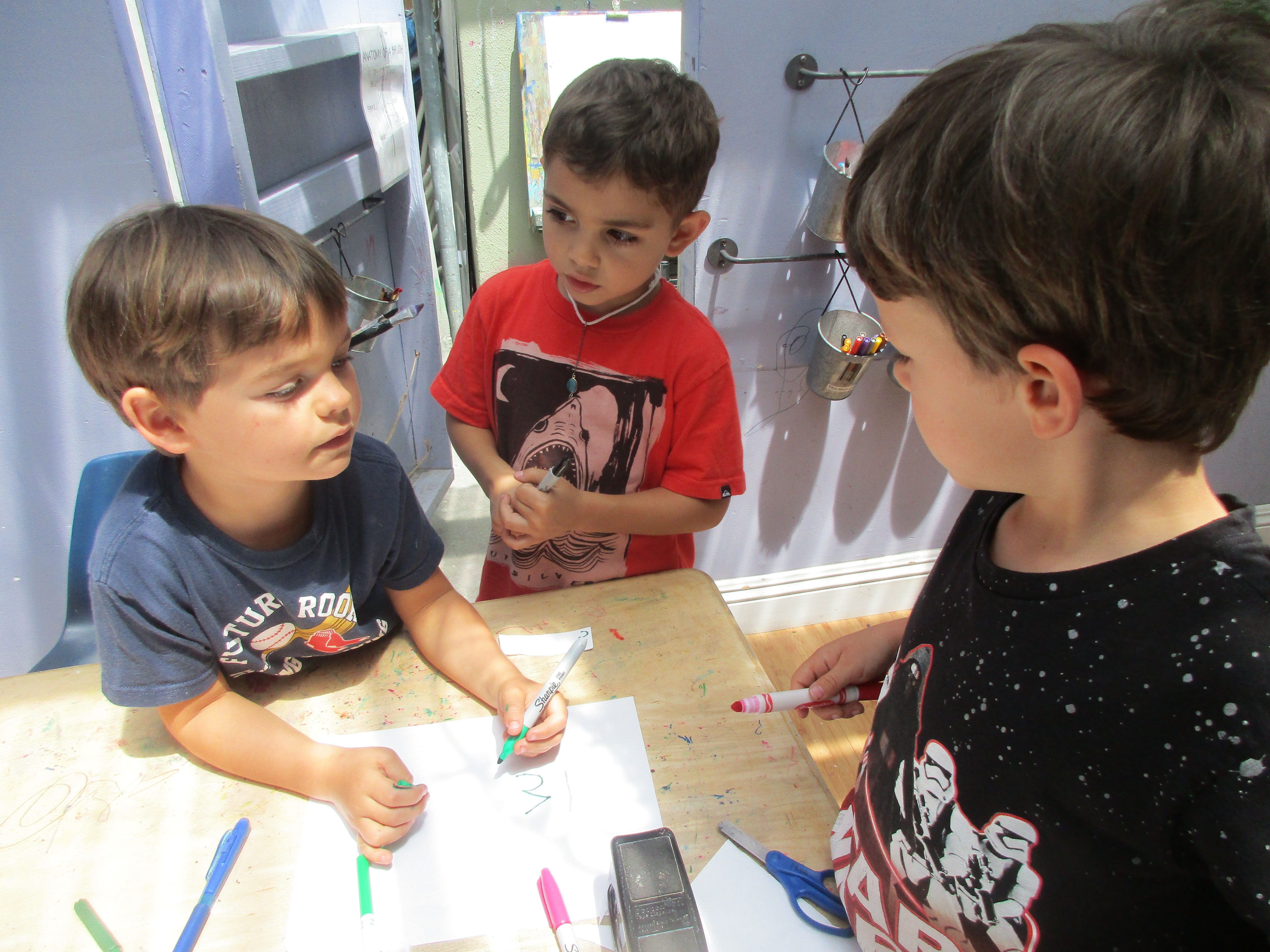
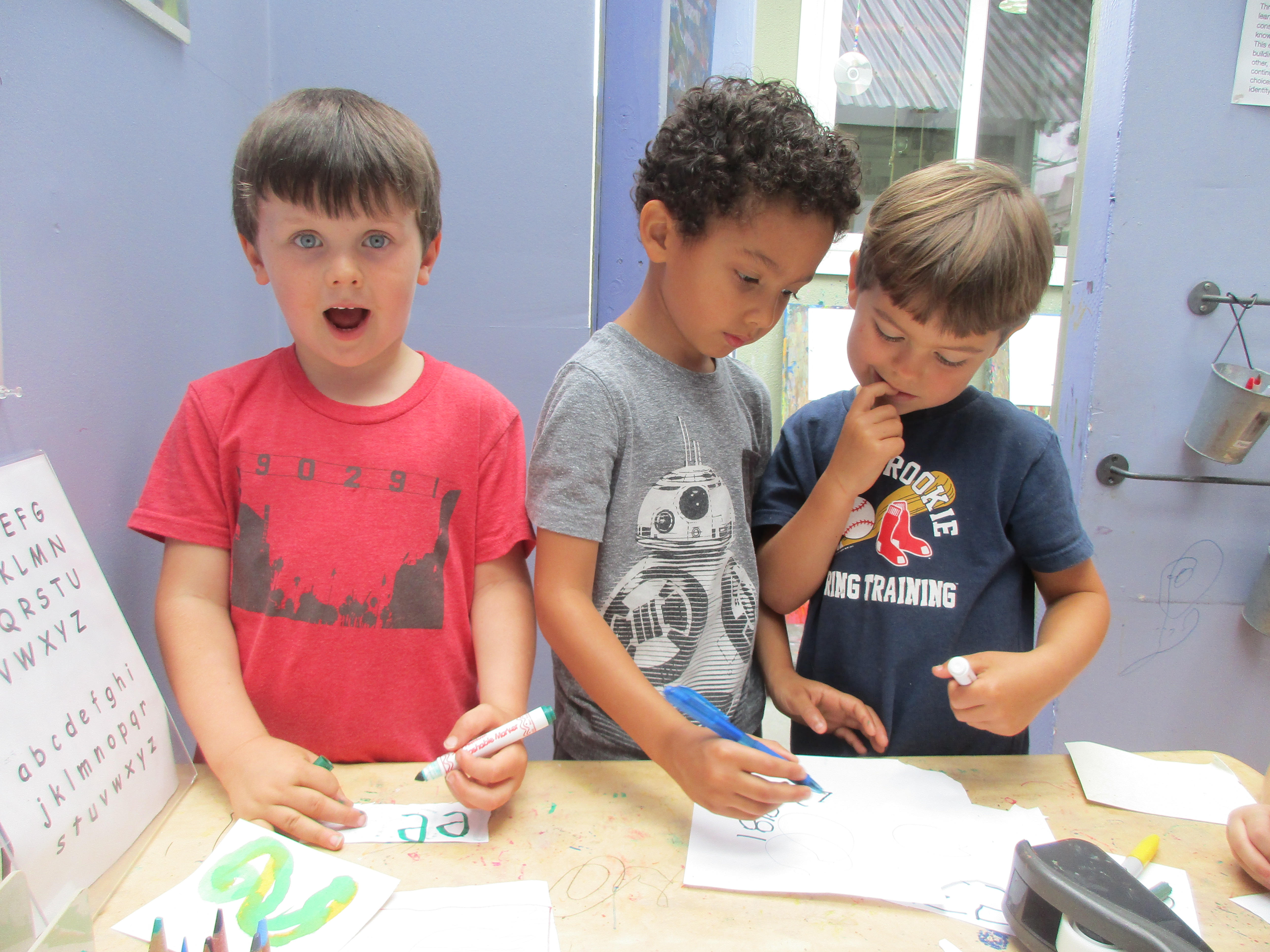
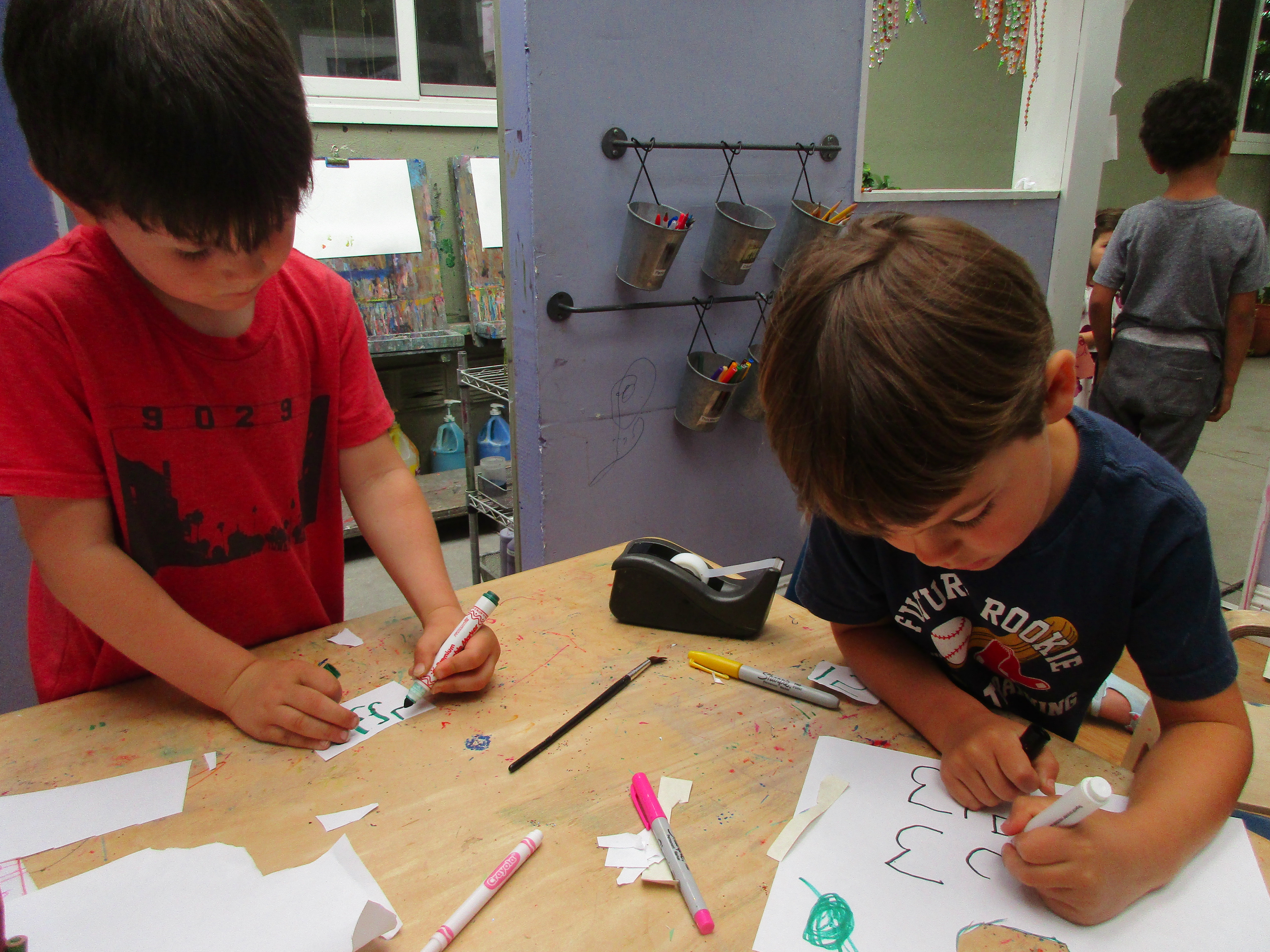
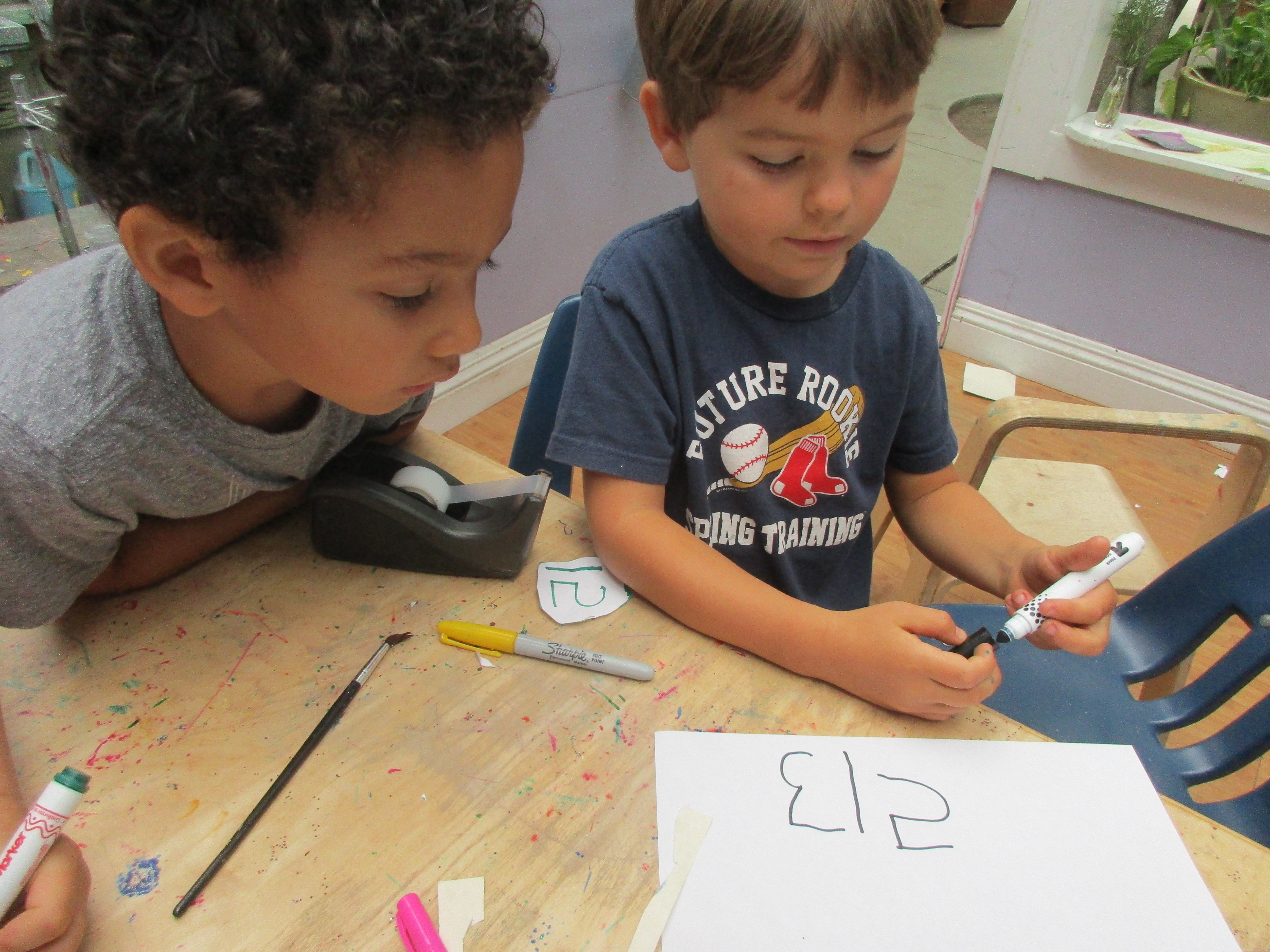
Sitting in the paper house with this group of children, I got to witness how naturally and collaboratively they were speaking about numbers. Not only did they know how to write them by heart, they also were scaffolding each other and wanting to know how to read the big numbers they had written. Personally, I saw from where some of their connections to number cognition were coming. Reviewing our calendar everyday and reading the snack menu portions are really bringing awareness. The game they were playing at that moment required them to use what they knew and apply it into context. This time, they showed me that when they are ready to read or write numbers, they will just do it. Moments like these give me goose bumps as they are showing us they understand meaningful components of the world. Flora