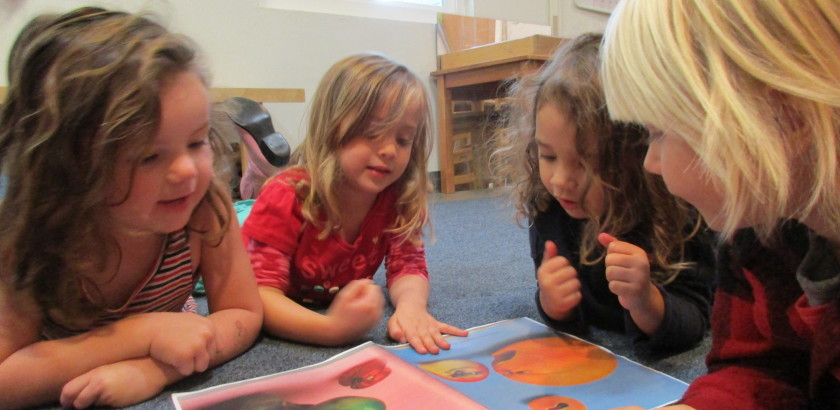
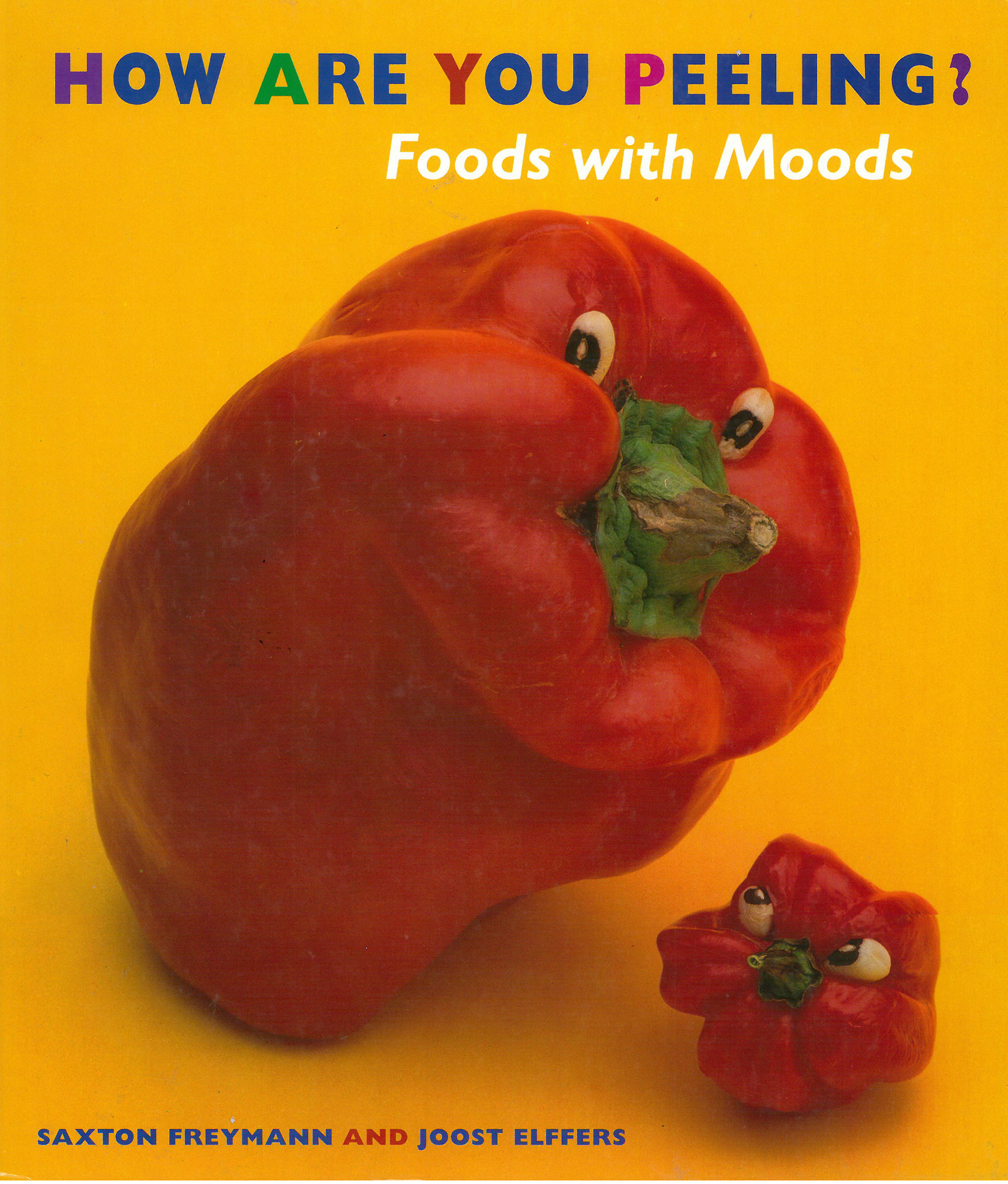
 At Morning Meeting in the West Wing a while ago, we read How Are You Peeling? By Saxton Freymann and Joost Elffers. The children had an instant and passionate response to some of the images in the book. The teachers were curious what the children would have to say about the images if they met in small groups and had time to really look at them. Here are a few of their stories.
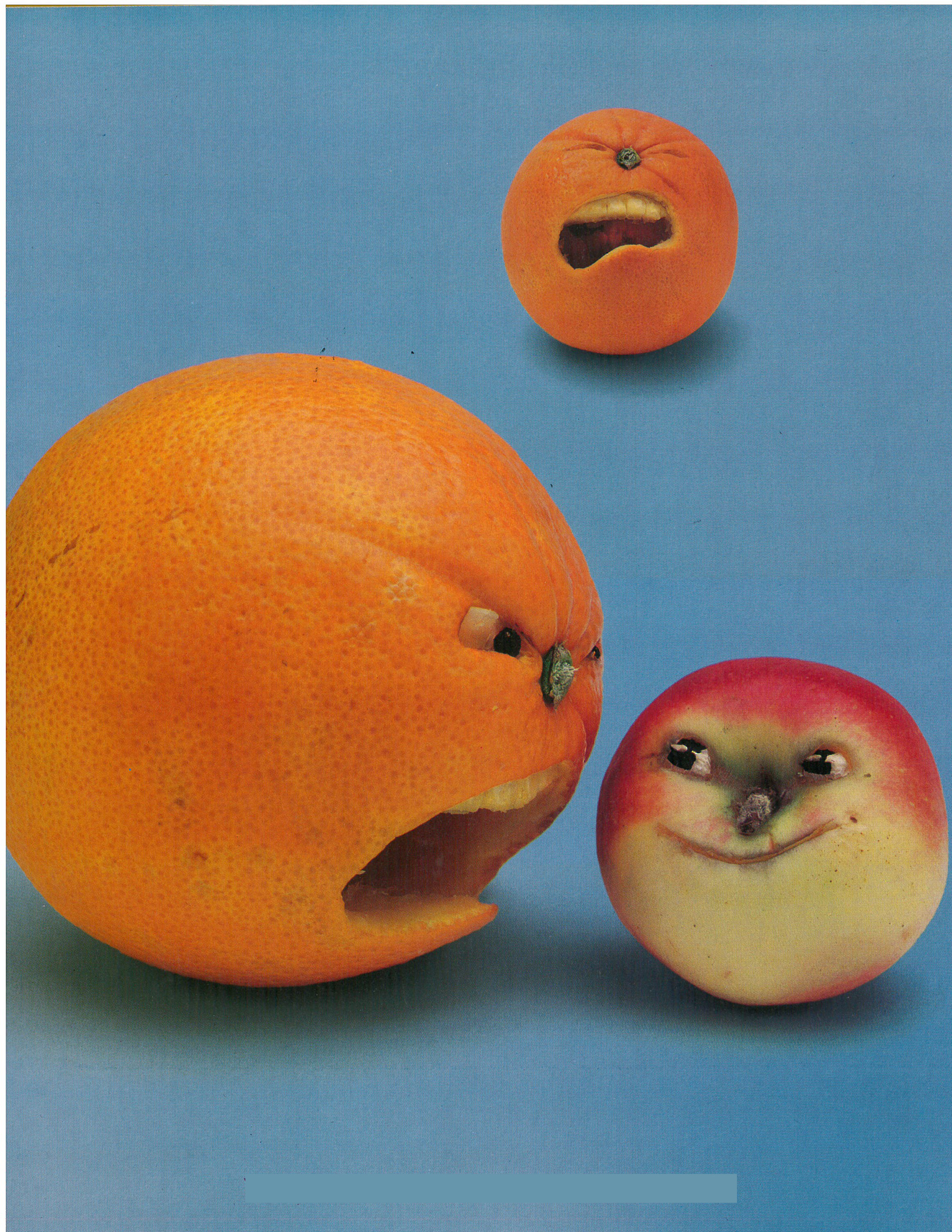
Isla: He got happy but he’s supposed to be sad when someone is mad at him.
August: I think that one is crying.
Isla: Maybe he (small orange) is his (apple) friend and he (small orange) is crying because someone is mad at his friend. Maybe he (apple) took something from him (big orange) or hit him, that’s why he’s mad. I don’t know why he’s happy.
August: Why do you think he’s happy?
Miro: That one’s a bad guy because he’s yelling.
Mila: He’s not bad, he’s just mad.
Madeleine (explaining another scenario for the apple and large orange): When Kellan makes me mad, he just be silly to make me laugh.
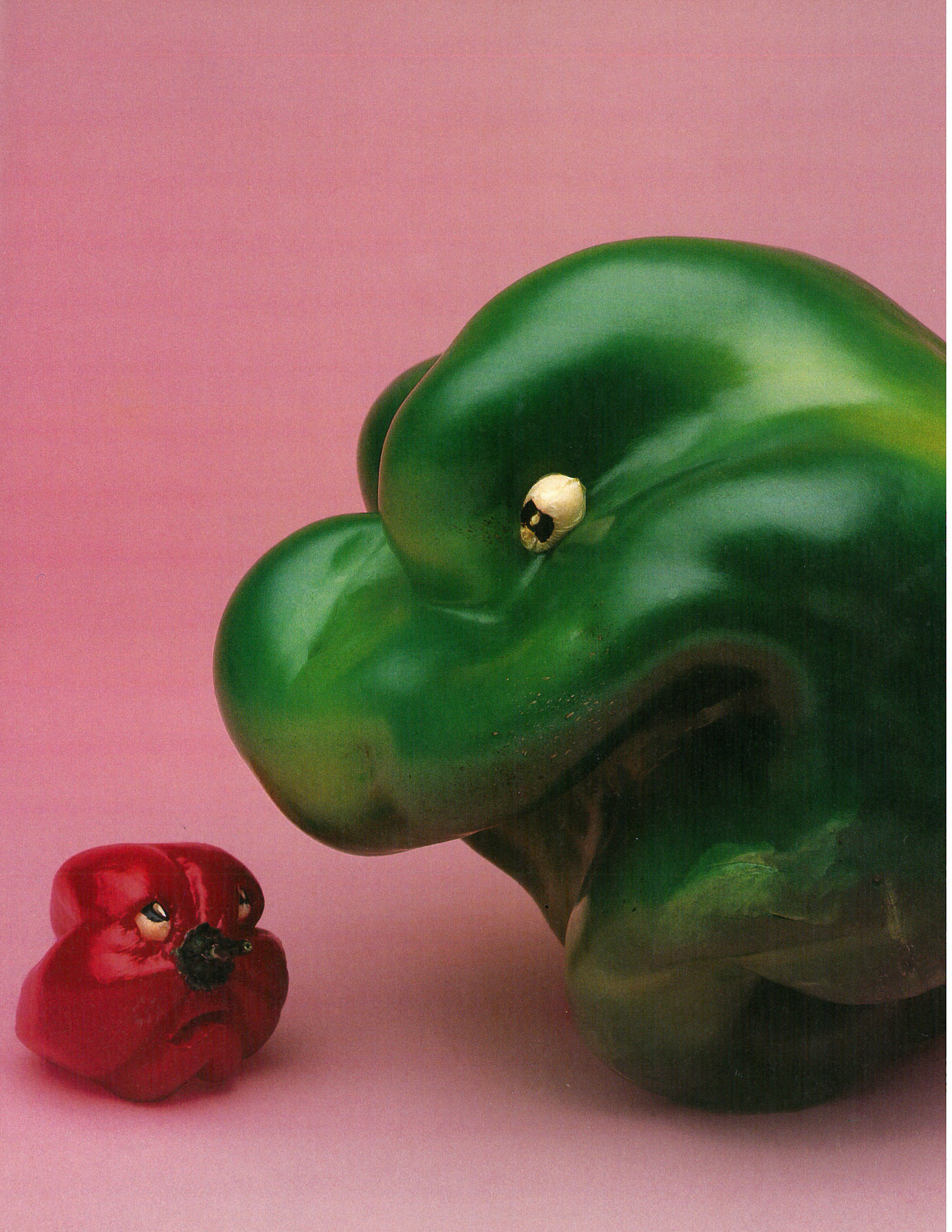
August: That one looks mad.
Isla: Maybe the green one is the big brother and red is the little brother. The little brother wants his mom and daddy because his brother is mad at him. I think that might be a tear. The little brother might have taken something the big brother was playing with and he wanted it back.
August: It’s hard to give things back sometimes. It’s ok to be mad and it’s ok to be sad. Maybe he will give his toy back soon and then they will be ok.
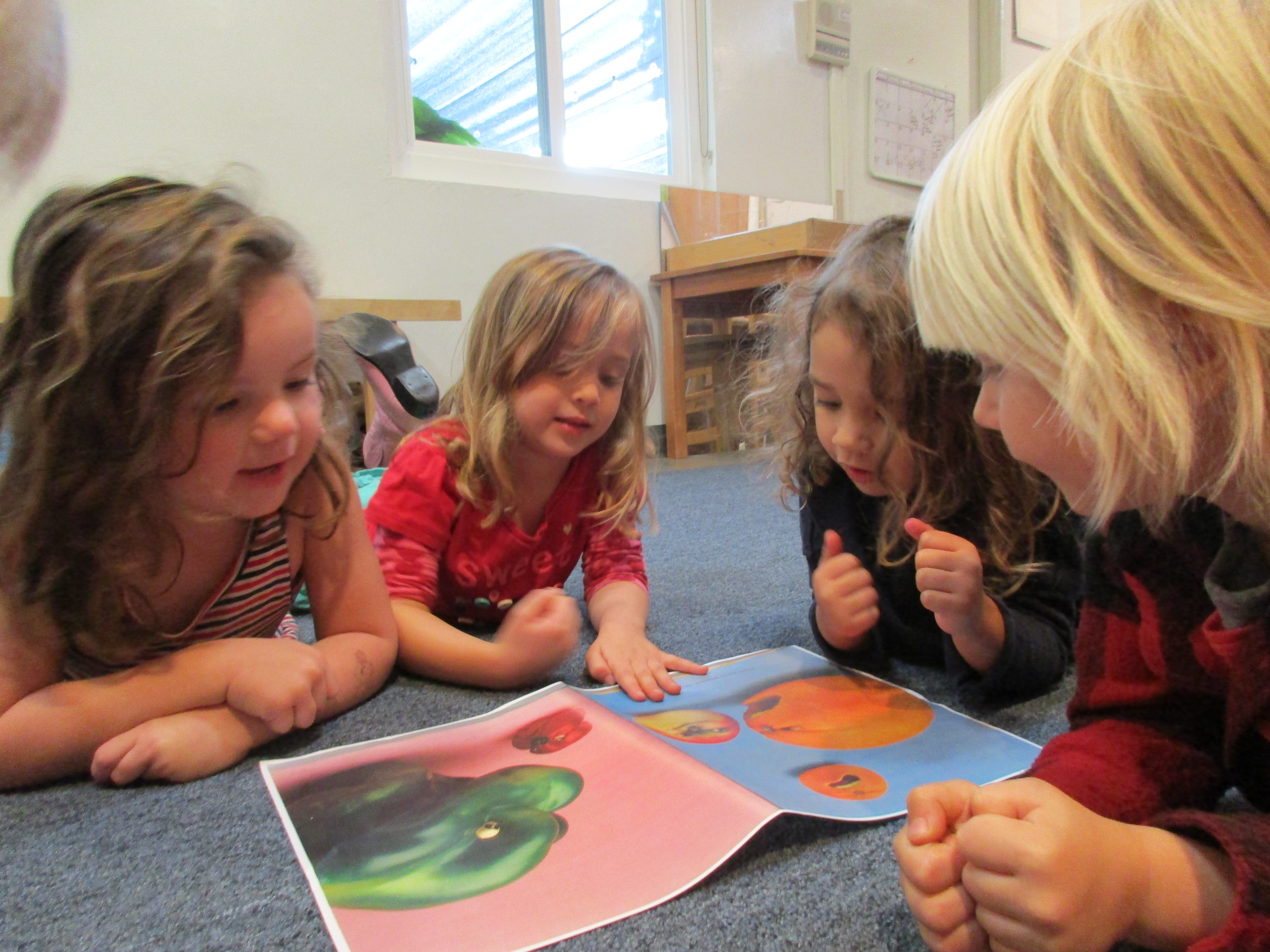
The children’s responses showed how they are developing their abilities to recognize, sympathize, and empathize with the emotions of others. The first step for many of the children is to be able to recognize and identify the perceived emotions that are displayed. Some were able to take it further by trying to understand the emotions through applying a story from their own lives that matched the feelings. Some even tried working out a scenario that would lead to a resolution to the imagined conflict. As teachers, we want to continue to support the children in developing the skills to create resolutions before they are in conflict. We are planning to copy and cut out the images from the book for the children to create new interactions to tell new stories and find new solutions. -Teacher Amy