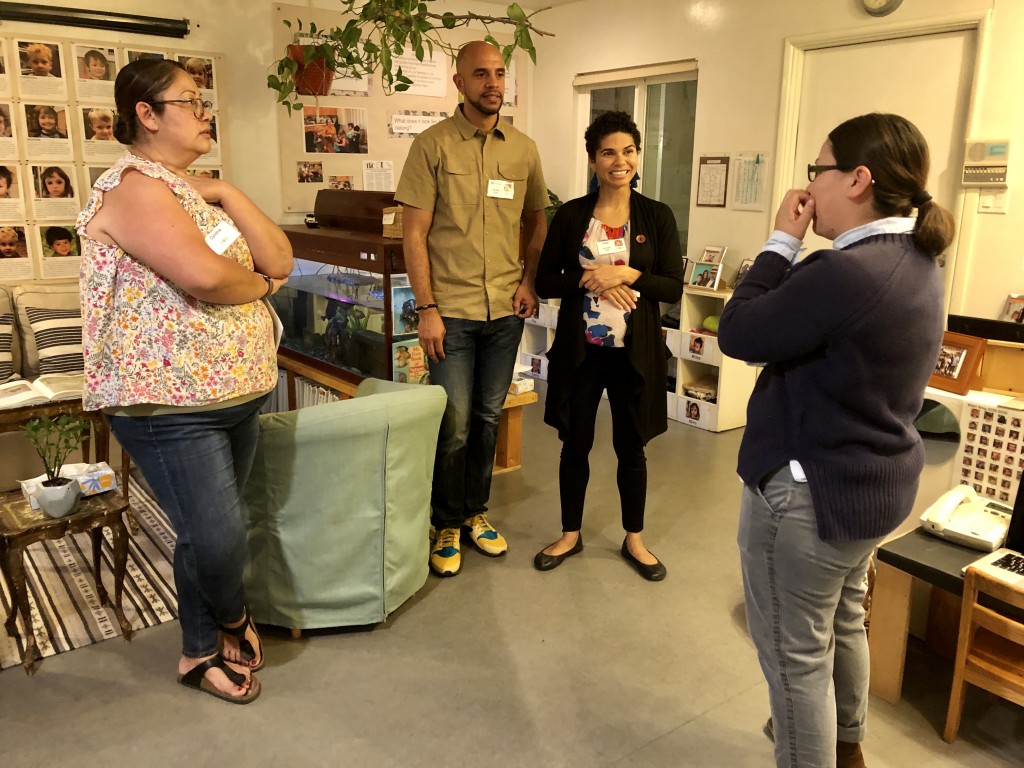
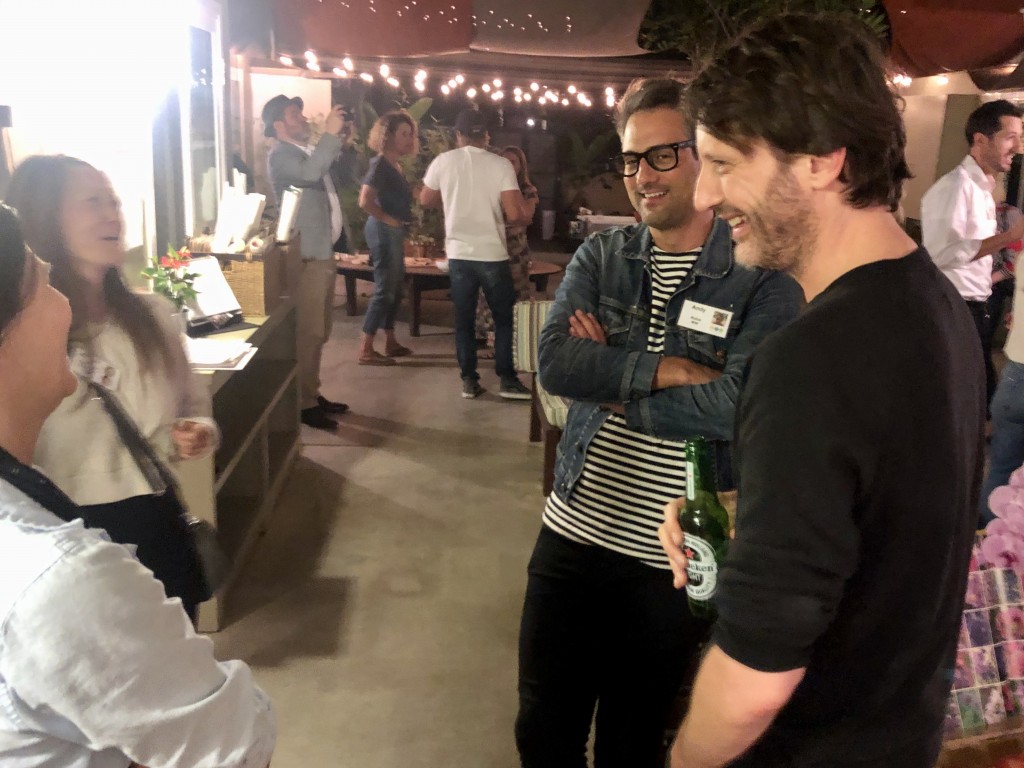
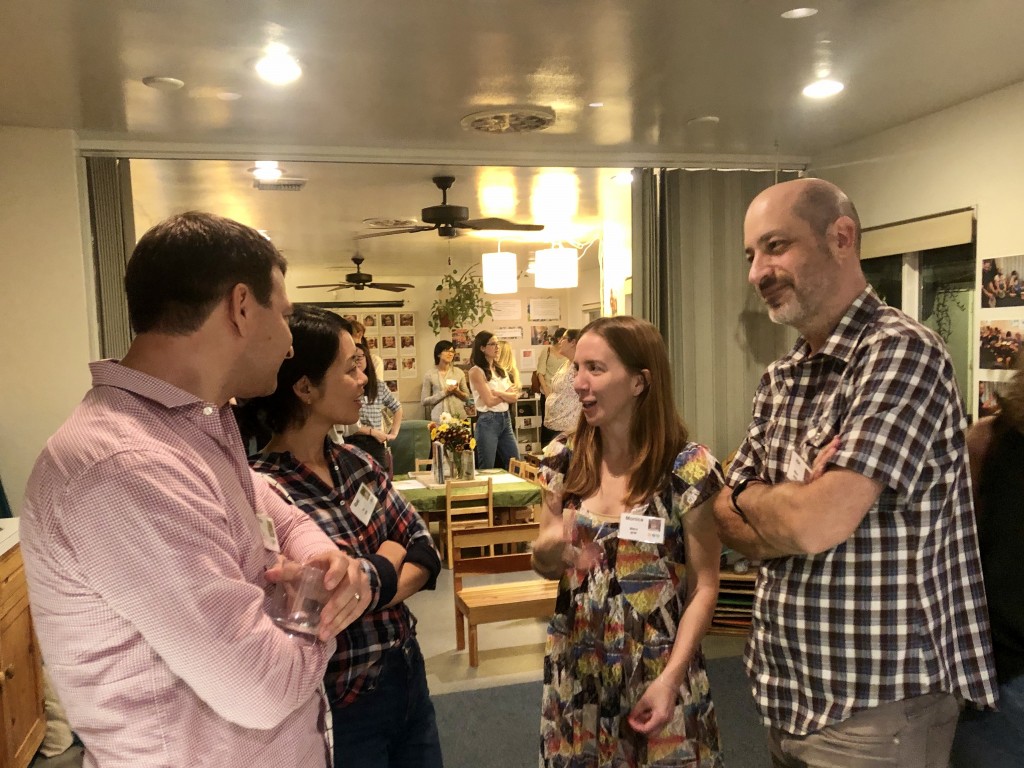
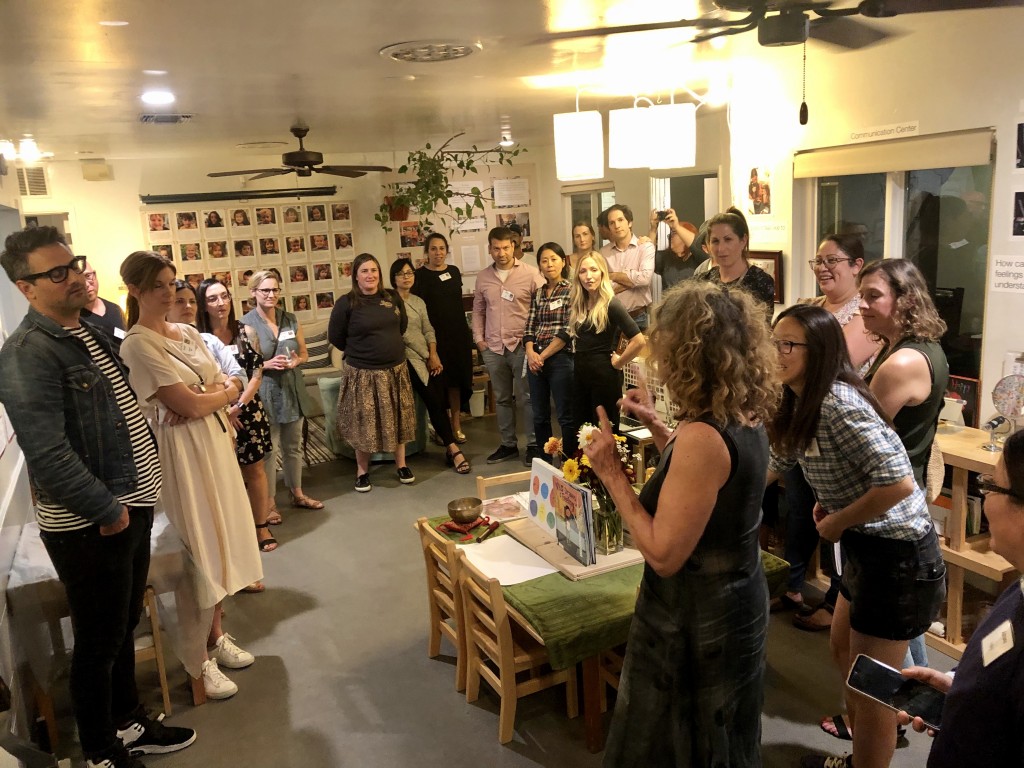
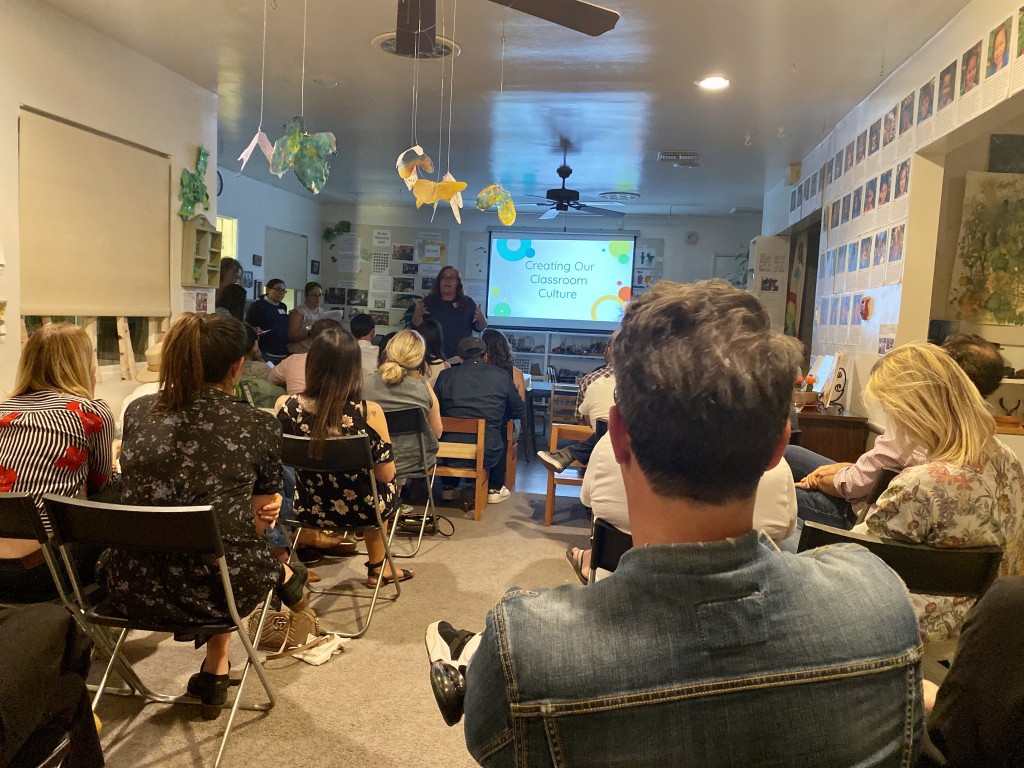
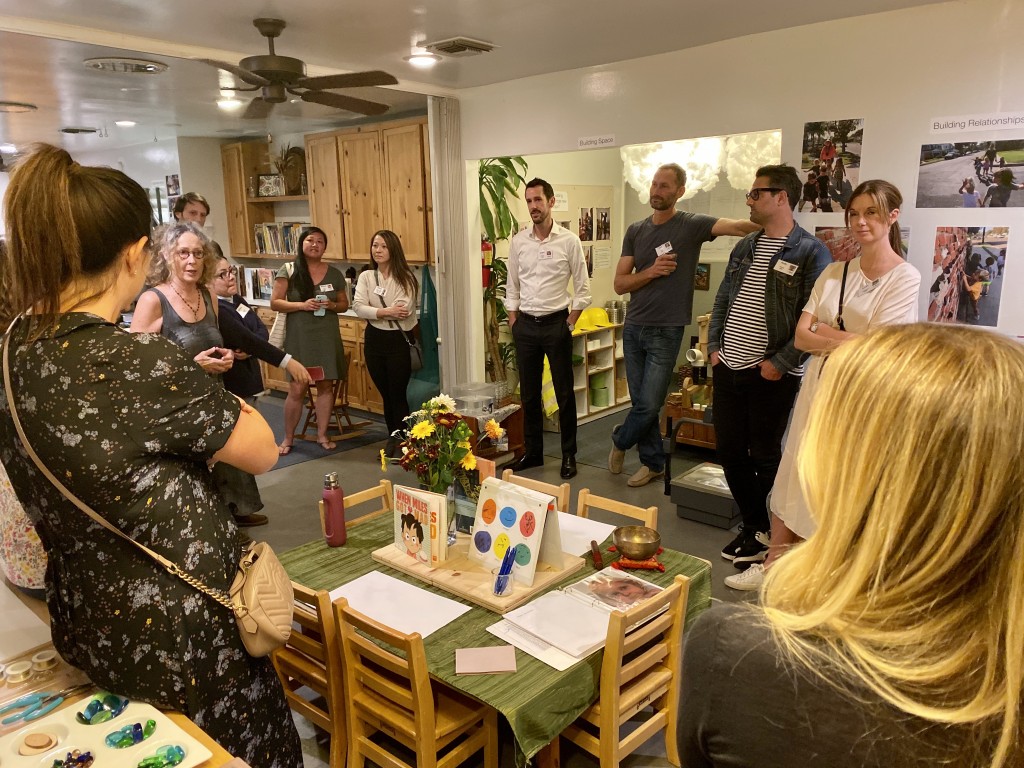
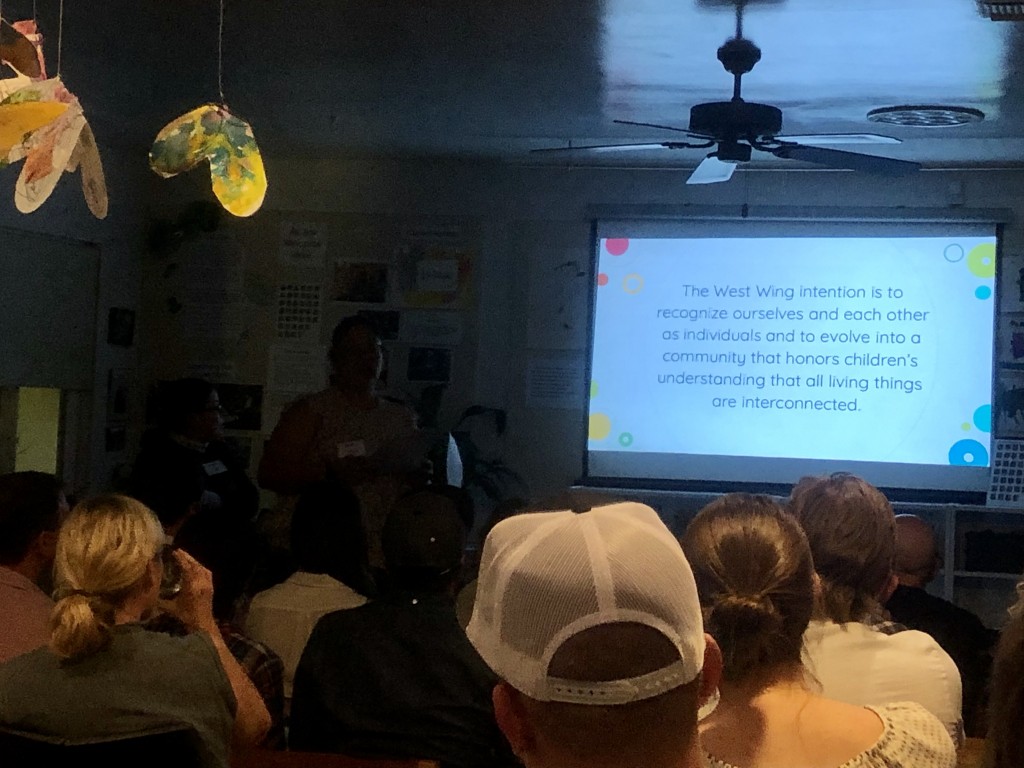
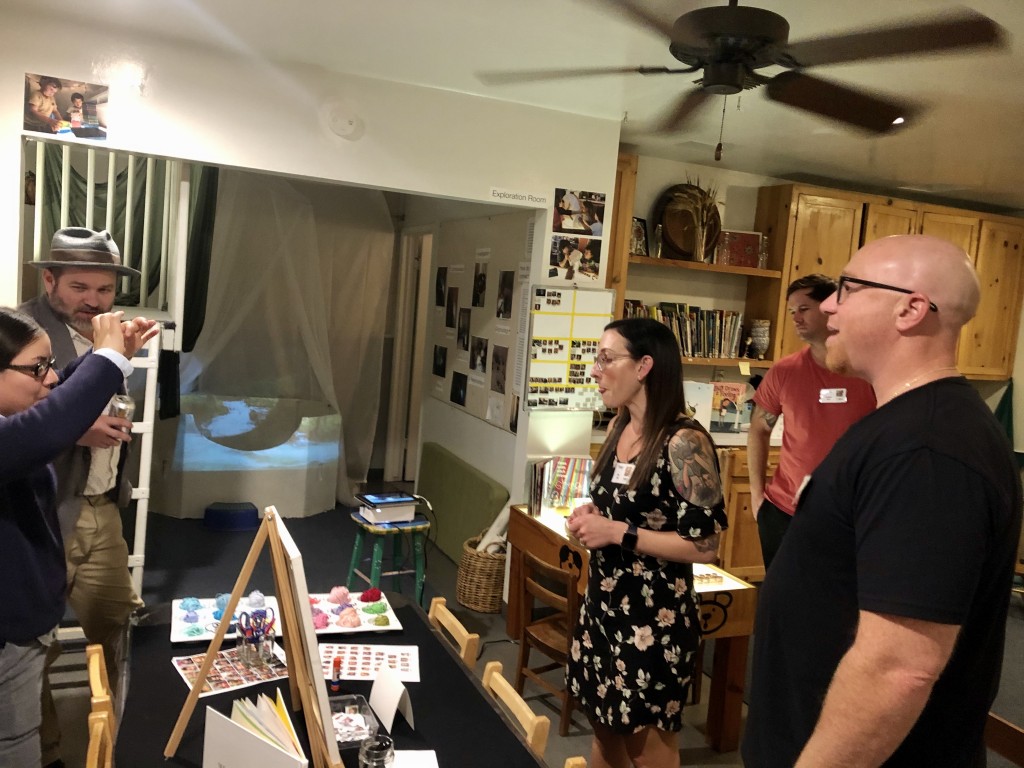
Such an insightful West Wing Back to School Night! The teachers were inspiring and thoughtful in their presentation about the incredible journeys the children have begun. See some of the evening’s conversation transcribed below!
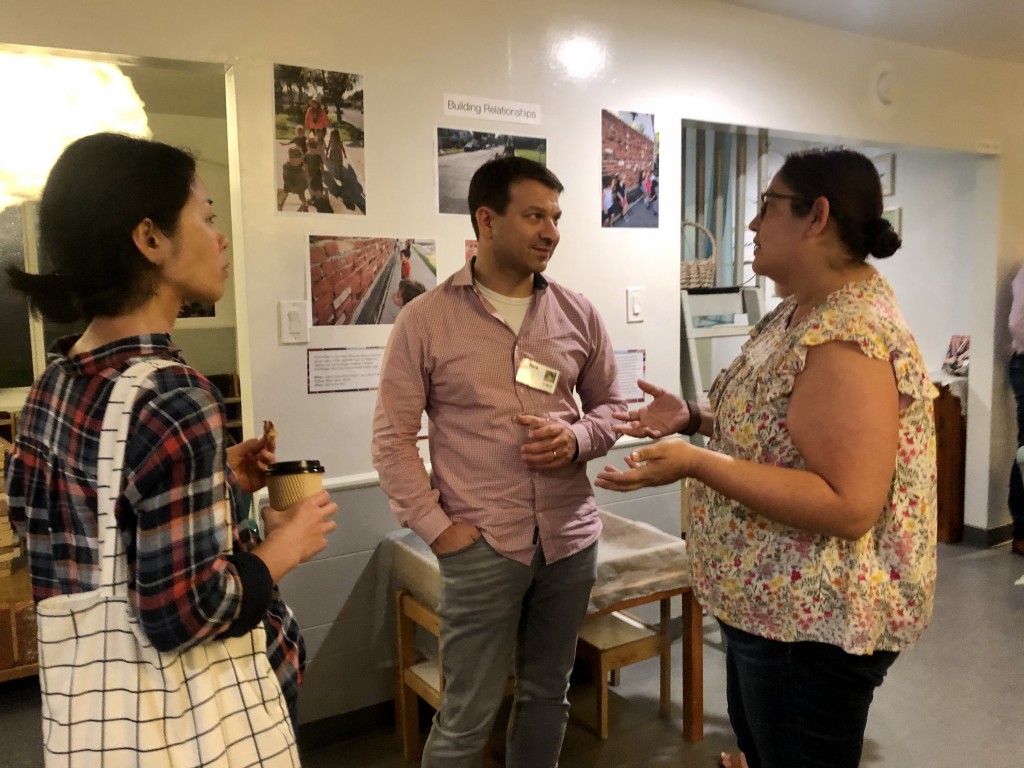
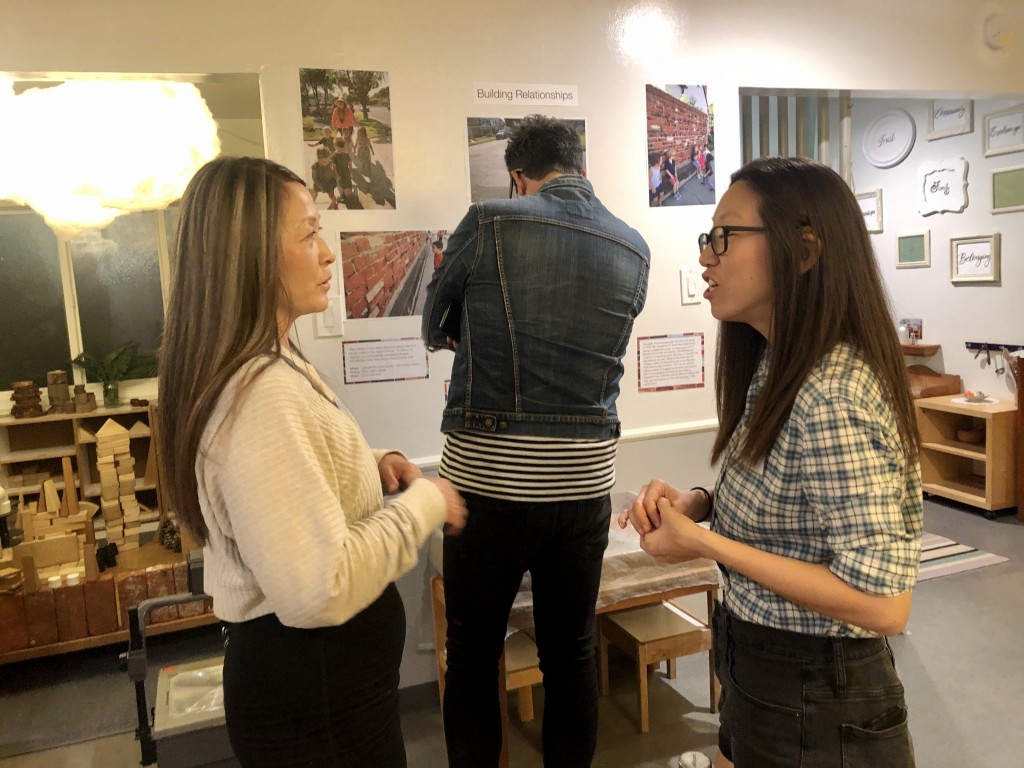
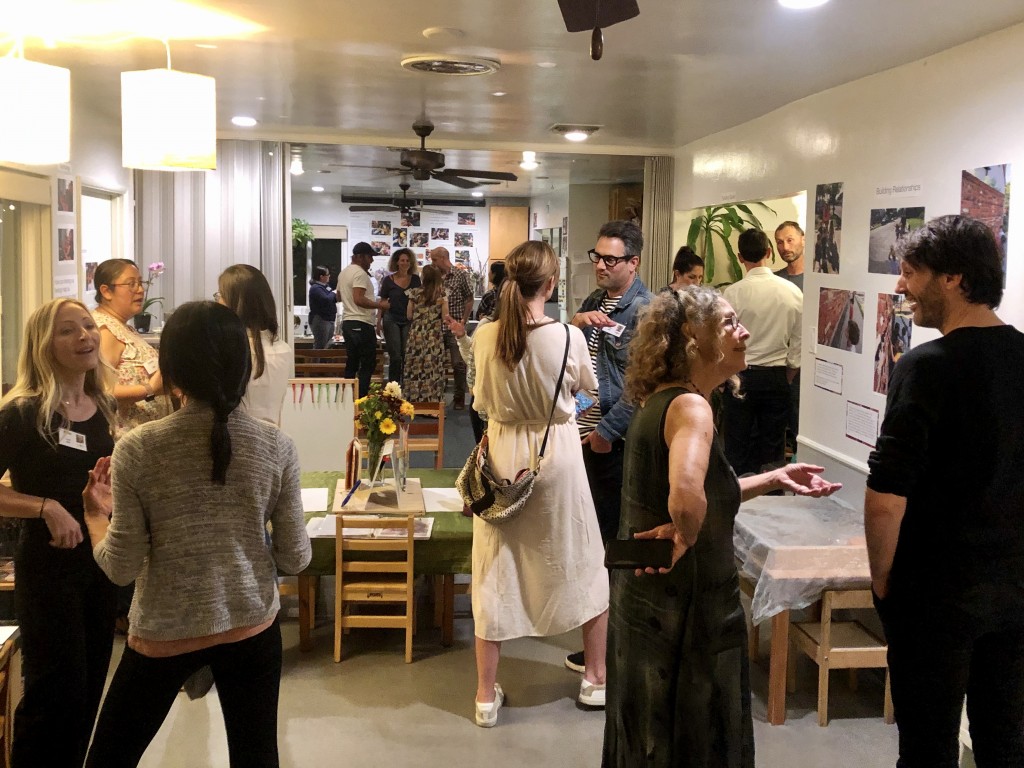
John (Miles): It’s amazing…it took me 30 years to understand all of this and they’re 3! It really is so incredible how they’re expressing their emotions. Such brilliant work!
Gigi (Rondie): How do we learn this language and use it at home?
Amy: We have a culture at school. It might come a little slower at home. We started this with them here on day one. Pick up their cues. What vocabulary are they using that you can use too?
Adriana: As a family, you can reflect on your family values. These are core values at school. Slow down and walk in the process. Talk about what your core family values are and what vocabulary you can use. Everyone’s family is different.
Toby (Rufus): How do they handle negotiations?
Amy: It’s a challenge for everyone learning what negotiation is. And you have to practice to master it. You’ll start to see it now and as they get older and more sophisticated.
Adriana: We empower them to have a voice. We are in dialogue with them. At NSW, we have agreements and they’ll have feelings about them…maybe uncomfortable, sad, angry.
Toby: So offer context around choice?
Roleen: Yes, it’s ok to say, “You’re disappointed…”
Amy: Yes, validate their disappointment. It’s a key piece that doesn’t change the outcome but it’s validating. You must be consistent too. Your yes must be yes’s and your no’s -no’s. Or you’ll be paying for it for the rest of your lives! Be consistent so they will trust you. They’re at the age where they need more information and that’s what we’re asking of them too.
Adriana: They want to feel safe. We must create guidelines or rules or agreements – it’s part of their development. They’re asking for that. If it’s not there, then there’s pushback.
Ashley (Santiago): At home the feeling is being articulated but then the next step is hurting you…or laying down and crying. Sometimes the answer is just no…how do you go about it? It’s the first time they’re really identifying a feeling.
Amy: Our next step is a shift in language, really working on saying, “I’m feeling…” and not “I’m…” How do you get them to recognize their feelings AND utilize strategies? Hitting is a strategy…but it is not productive, and can make it worse. Our goal is to help them develop strategies. As a family, you can look at what effective strategies work. Like hitting a pillow or tearing up newspapers or junk mail that comes every day-you can have them be a personal shredder! But, you can’t talk about it in the moment – they’re already in the moment. Better to talk about it in a family meeting-how can I feel better but not hurt myself or others? They might have some ideas-write them down and put them up. And if it gets to that point, you can bring them to the list. It might not work the first six times, but eventually it will. You might have to bring a pillow to them the first time, but eventually they will utilize their strategies.
Amy (Mira): About giving more information…even if they don’t have the language that we might see in the East Wingers or their understanding…I don’t know if I’m giving or not giving enough credit for how much Mira is actually understanding. So, it’s nice to bring that back home.
Roleen: And that’s that biggest value of the Reggio approach, the Image of the Child is strong. They don’t need protection, they need to be able to be validated and be part of decisions. They’re incredibly capable in their thinking.
Brian (Mia): It’s like how when I was looking at Mia’s journal and how concerned she was with her community and with her friends and how they were doing. It’s so cool how they’re all thinking about each other and not just themselves. Because they’re so young, you think they’re in their own little world, but they’re not, they’re thinking about everyone else at the same time.
Roleen: Yes, they want relationships! It’s like babies handing you things all the time. They come in the world wanting relationships…they all just want to make connections. It really is quite beautiful.
John (Miles): You can really feel the love here.
Roleen: Yes! They’re pretty sophisticated.
Tracy (Mia): The same day, the same little boy was having the same feelings…different about her…but, they were both feeling about each other and they were both journaling about their experiences about each other on the same day…and it’s so cool to have that to look back on.

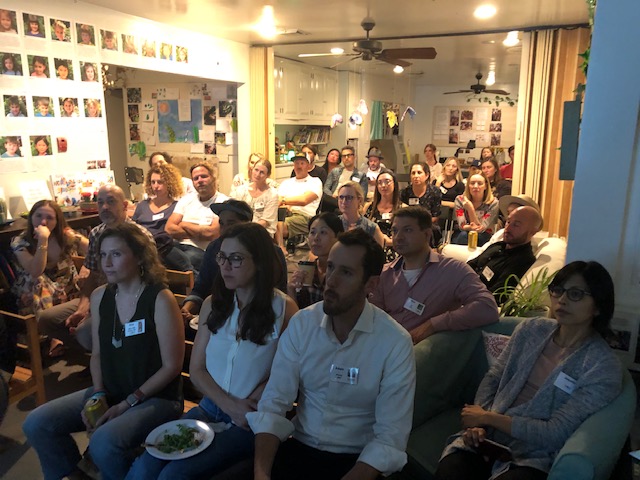
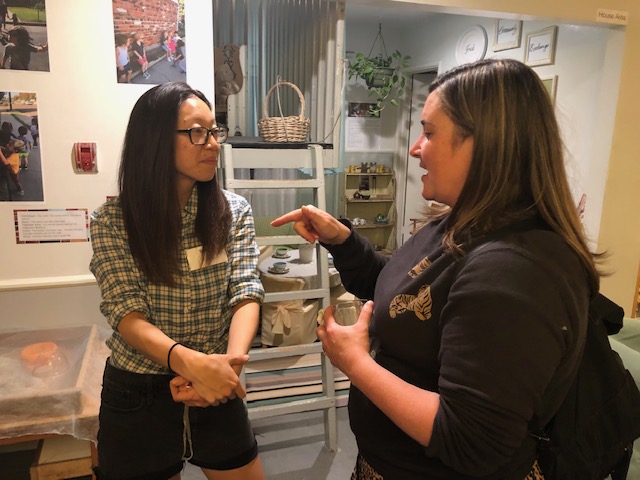
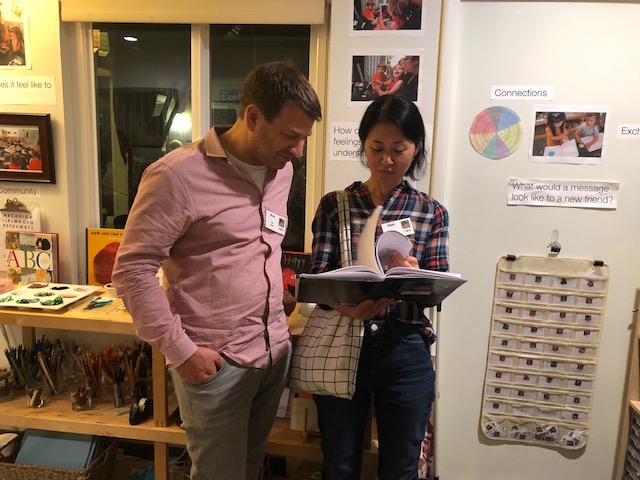
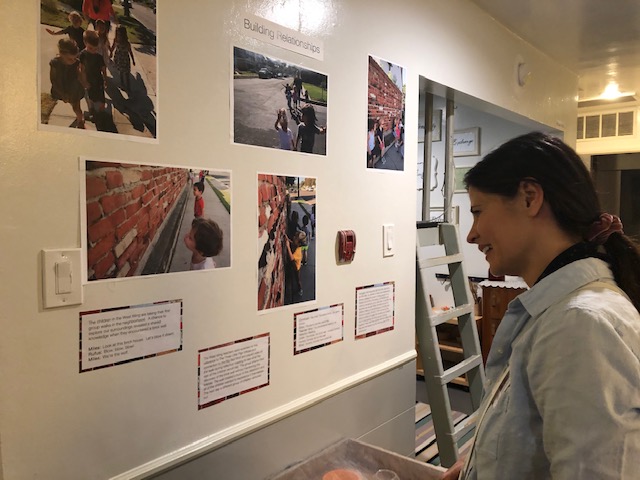
As we reflected at the end of the presentation at our WW Back to School Night, it was clear that parents just want to know what to say. How do we take this amazing work into our home? The teachers’ replies reminded us of their gift of truly understanding the core values of our school and their deep knowledge of child development by offering some answers. Yet, we all felt that parents walked away with wanting more and it has us looking at what that might mean as we reflect on our calendar.
In the meantime. . . check out the podcast I just recently discovered entitled Parenting Beyond Discipline with Erin Royer-Asrilant. She is the founder of Your Village and has an online parenting resource yourvillageonline.com. Her podcast has segments that are short and sweet yet really meaty and to the point. Start with #153 (Social Emotional Development). It’s EXACTLY what you want to know and it ties in so much of what the teachers’ presentation addressed. She even talks about a feelings wheel, so much like our classroom Emotions Legend. Check it out. – Roleen