The Bumpy Theory
a theory about the correlation between sound and the texture of the sole of a shoe
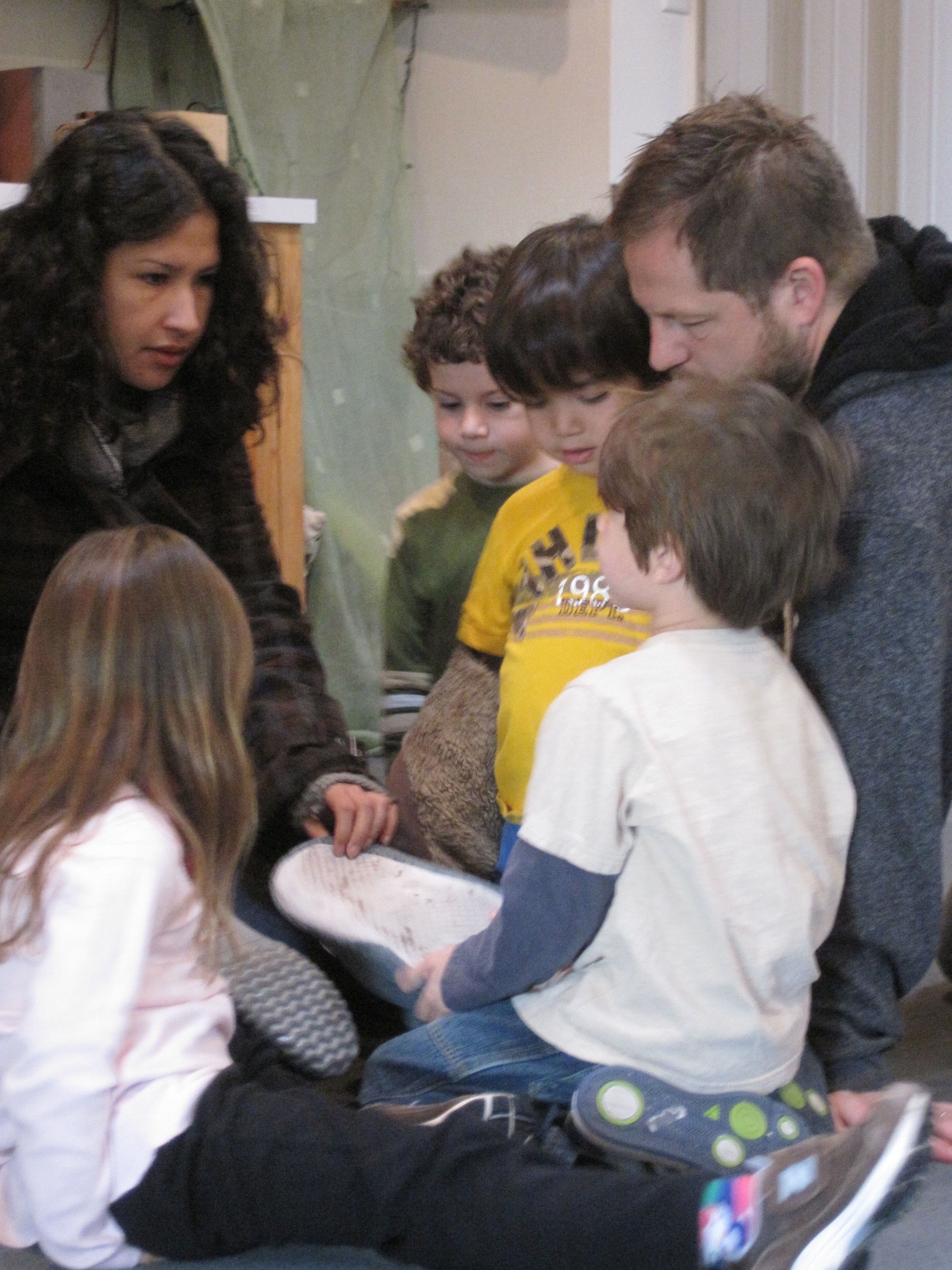
We started the new year by revisiting The Bumpy Theory with a small group of children during our first sound session of the year last Wednesday. Paola opened the group by refreshing their memory with one of the theories they developed before the break. (Summary: less bumpy=quiet, more bumpy=loud.)
Declan: If you stomp more harder, it makes it more louder. The louder it gets.
Teacher Amy offered one of her rainboots to the investigation and Teacher Paola pulled out the slippers they had used on a previous experience. Supported by Paola and Stu, the children talked about the differences between the slippers and rainboot and how the differences affect the sound they made.
Maddox: The problem (with the slipper) is they are not really bumpy.
Hanami: It’s (the rainboot) hard and soft.
Declan: It’s (the slipper) pushy not so bumpy. Hard but not so bumpy.
Maddox: We should put them on the ground at the same time to see the sound that they make.
Ila: It (rainboot) will make a stomping sound and the other one will make a little stomp.
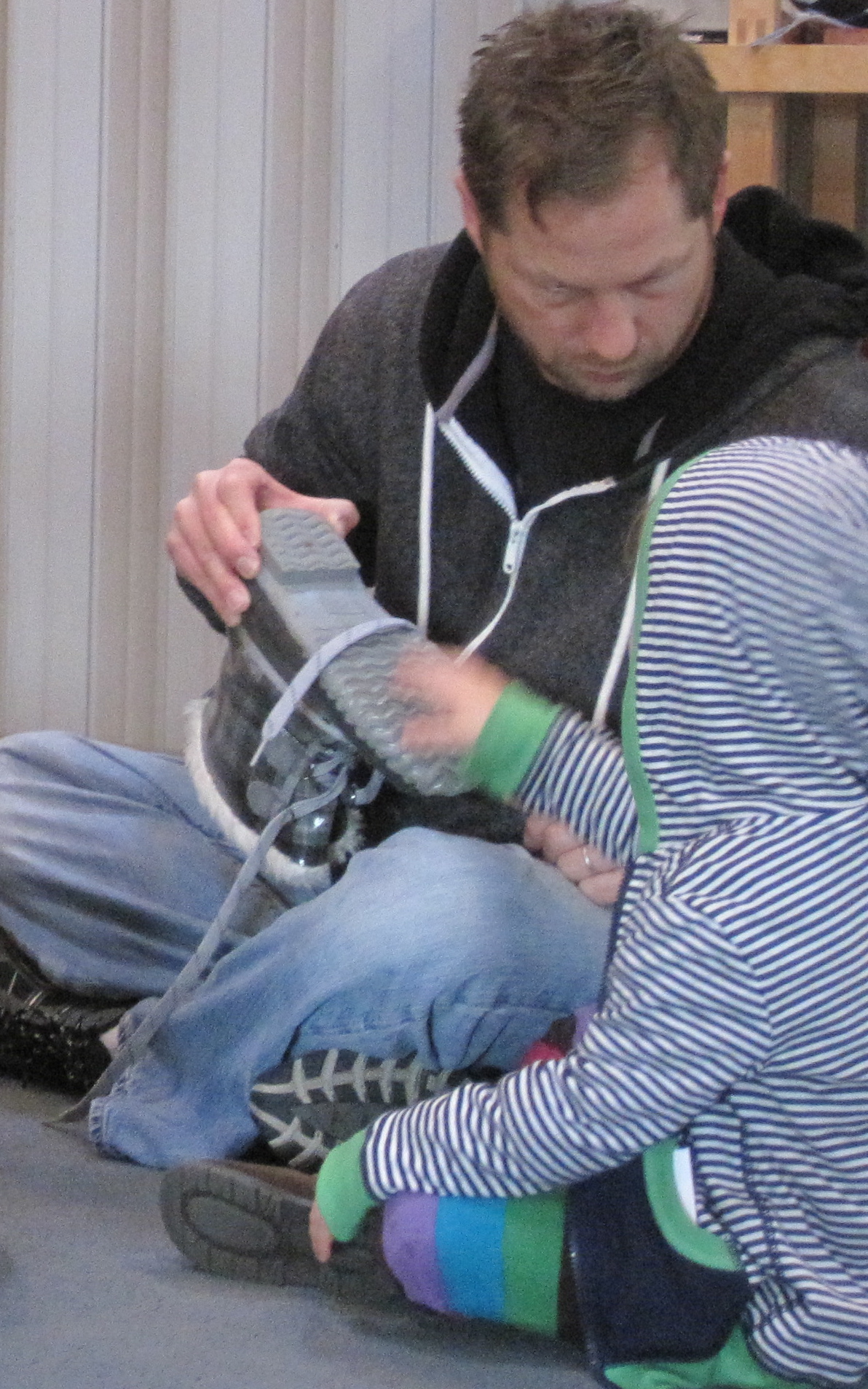
The Theories summarized:
1. Softer material will make a softer sound no matter how much force you put behind it. -Maddox
2. The sound will vary depending on what you are hitting it on. i.e. carpet=soft, floor=loud, cement=loudest. -Declan
Maddox expanded on this theory by adding texture as a factor:
Cement is rougher so it makes a louder sound. Floor is smooth so it is quieter and carpet is soft so it is a soft sound.
Teachers reflections: After the experience Amy, Stu, and Paola met to review their notes and video. It appeared the children were hampered by their vocabulary. They were using “hard” to describe the force they needed to stomp to make a loud sound and the density of the material they are using. In retrospect, we realized that Paola and Stu could have helped the children to explain and expand their theories and ideas if they had given them more vocabulary at this point (like introduce the word ‘dense’. We also wonder if the group would benefit from some experiences with things of differing textures and densities to see if these theories are universal or apply only to shoes.)